Clinical Supervision
Supervision should be somewhere you can bring the whole of your practice, the things that are going well, the things you're unsure about, the clients who stay in your thoughts and the moments when you simply feel stuck.
I offer a warm, collaborative and reflective supervision space where you can explore your client work openly, develop your practice and feel supported in your professional growth.
My approach is humanistic and integrative, informed by the Seven-Eyed Model of Supervision and an anti-oppressive approach. This allows us to look beyond simply “What happened in the session?” and become curious about the client, you as the practitioner, the therapeutic relationship, wider systems and what may be happening within the supervision relationship itself.
I believe good supervision should offer both support and appropriate challenge. It should be a space where you can celebrate what is going well, acknowledge uncertainty, explore blind spots and think openly about ethical dilemmas without feeling judged.
Most importantly, I want supervision to be somewhere you can be honest, curious and human.
What to Expect
Reflect on your work
Explore challenges and dilemmas
Develop your skills and confidence
Maintain your wellbeing
How I Work With
- Counsellors and Psychotherapists.
- Trainee Counsellors
- Helping professionals
- Organisations and teams
I offer supervision to trainee and qualified counsellors who are looking for a supportive, relational and reflective approach to supervision. I particularly welcome practitioners who value working collaboratively and want supervision to be more than simply reviewing client work. Our sessions can provide space to explore your development as a practitioner, your use of self, relationships with clients, ethical practice, difference and diversity, and the emotional impact of the work.
You do not need to work from exactly the same theoretical orientation as me. Where appropriate, we can explore how your own theoretical approach informs your work while remaining curious about other perspectives.

My Approach
Client work & the therapeutic relationship
exploring what is happening for your client and within the relationship, including relational patterns and your responses.
Boundaries, ethics & safe practice
thinking through boundaries, safeguarding, ethical dilemmas, contracting and professional responsibilities.
Your use of self
exploring feelings, responses, blind spots, transference, countertransference and what may be communicated within the work.
Difference, diversity & power
exploring identity, culture, difference, privilege, power and oppression, and considering how these may influence both therapeutic and supervisory relationships.
Wider systems & context
considering the impact of organisations, families, communities, professional systems and wider social contexts on both you and your clients.
Theory, development & confidence
connecting theory with practice, recognising strengths and development needs, and growing your professional identity.
My Approach to Supervision
My approach to supervision is humanistic, integrative and relational. I believe supervision should offer a safe, collaborative relationship where you can bring the whole of yourself as a practitioner, your strengths, uncertainties, questions, mistakes, successes and the client work that sometimes stays with you long after a session has ended.
I aim to offer a relationship grounded in empathy, authenticity and acceptance, alongside appropriate challenge. A space where we can be curious together, explore different perspectives and notice what may not always be immediately visible.

Humanistic & Integrative
My humanistic foundation means I see you as an individual practitioner with your own experiences, values, strengths and developing professional identity.
Rather than telling you how you should practise, we work collaboratively to explore your client work and strengthen confidence in your own therapeutic way of being.
As an integrative practitioner, I may draw on different theories and perspectives where they help us understand what is happening, while respecting your own theoretical orientation.
Anti-Oppressive Practice
An anti-oppressive approach is central to my work. Supervision offers space to explore difference, diversity, identity, culture, power, privilege and oppression and how these may influence our relationships with clients and with each other.
I also believe it is important to recognise the power that exists within the supervisory relationship. I don’t see the supervisor as the expert who holds all the answers. I want us to be able to recognise and talk openly about power when it arises.
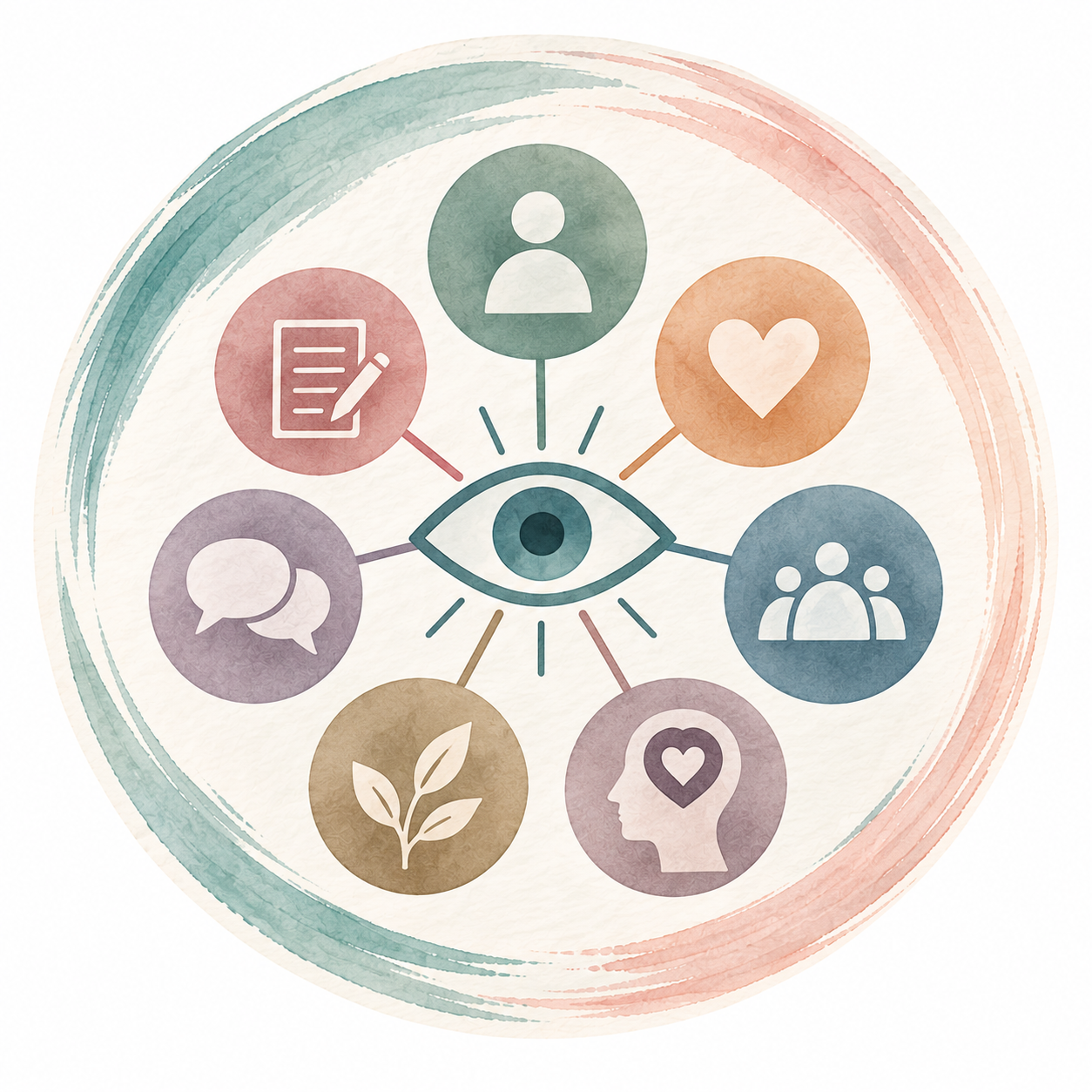
Seven-Eyed Model
The Seven-Eyed Model of Supervision helps us look beyond the client alone and explore the work through different lenses.
We may consider the client’s experience, your interventions, your internal responses, the therapeutic relationship, our supervisory relationship and the wider systems surrounding the work.
This can help us notice patterns, relationships and parallel processes that might otherwise remain outside our awareness.
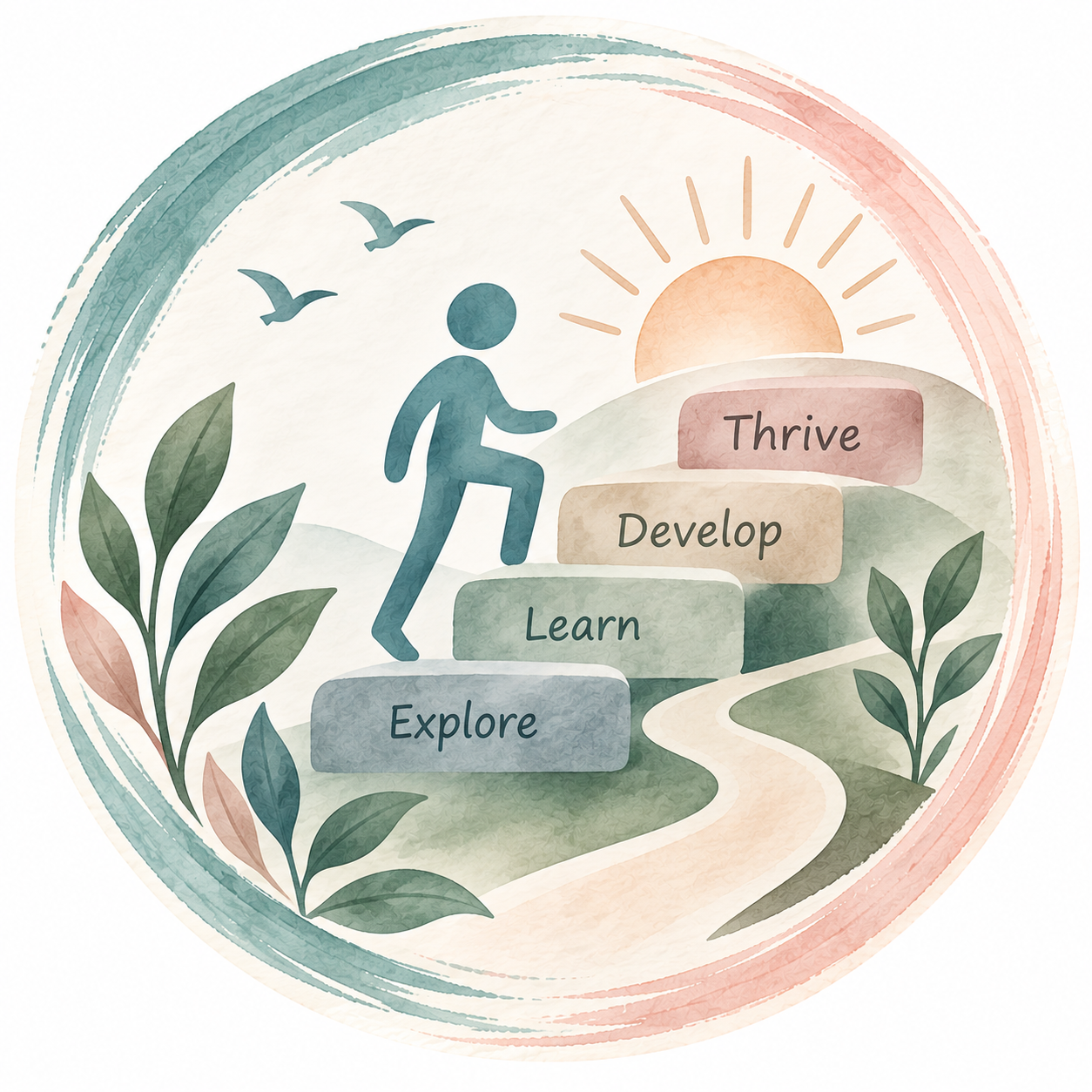
Supporting Your Development
What you need from supervision may change as you develop. Sometimes you may need guidance, information or support; at other times, greater space and autonomy to explore your own thinking.
Supervision can support your ethical practice, client work, professional development and wellbeing.
Above all, I want supervision to be somewhere you feel able to say:
“I’m not sure.”
“I think I got that wrong.”
“This client is really affecting me.”
“I don’t understand what’s happening here.”
Or equally — “I’m really proud of the work I did.”
All of those conversations belong in supervision.
Fees
Not sure what supervision arrangement you need?
You're welcome to contact me for an initial conversation before deciding.
Qualifications & Professional Standards
I am a BACP Accredited Counsellor (MBACP Accred.) and a qualified clinical supervisor. My professional qualifications include:
- CPCAB Level 6 Diploma in Therapeutic Counselling Supervision
- CPCAB Level 5 Diploma in Psychotherapeutic Counselling
- CPCAB Level 4 Diploma in Therapeutic Counselling
My supervision training is informed by the Seven-Eyed Model of Supervision and anti-oppressive practice.
Alongside my private practice, I also have experience within counselling education and training, supporting developing practitioners at different stages of their professional journey.
Thinking about counselling or supervision?
Choosing a counsellor or supervisor is a personal decision, and it's okay to ask questions before deciding whether someone feels right for you.
If you would like to find out more about counselling, couples counselling or clinical supervision, please feel free to get in touch.